

Rocket Runner Protocol gives players a direct look at pacing, round signals, and bet choices inside JDBJILI. This article is written for players who need simple game notes, clear room guidance, and a way to read each run.
Understanding Rocket Runner Protocol through basic play ideas
Players meet a fast round format where timing matters more than guessing every small movement. The game centers on a runner path, multiplier climb, and cashout decision before the run ends. JDBJILI places the format beside quick betting rooms, so members can choose it without a long setup.
Rocket Runner Protocol focuses on reading the start, watching the climb, and deciding before risk rises. Each round can feel short, so players should know button positions before placing PHP or USD amounts. Clear screen habits help members avoid rushed clicks when the next round begins.
The main idea behind Rocket Runner Protocol is simple enough for new players. A stake enters before launch, the value changes during play, and the outcome follows the selected action. Players should treat each room as a separate pace, because limits and timing can vary.

How the runner round works for players
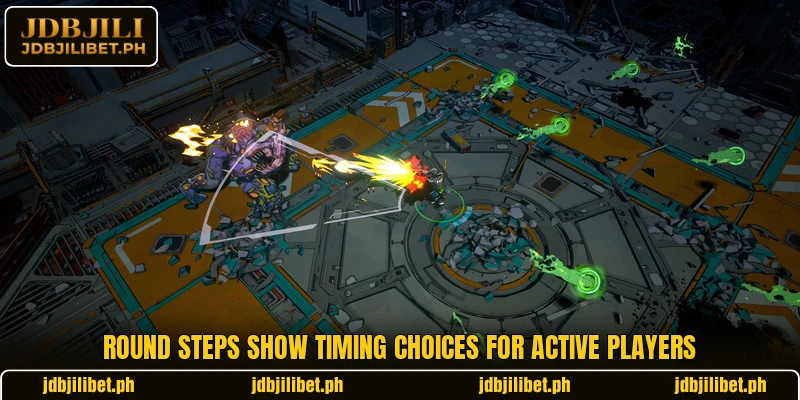
The round looks simple, but steps make the flow easier to follow. Rocket Runner Protocol becomes clearer when players divide action into setup, launch, cashout, and result.
Starting each round safely
Before a round opens, players check the stake field and current room limit. Amounts may be shown in PHP or USD, depending on the account display. Members should enter values slowly, because fast rooms leave little time for correction.
At this stage, Rocket Runner Protocol rewards attention to the launch window rather than late guessing. The confirm button matters because an unconfirmed stake may not join the active run. Players should watch the countdown and avoid changing fields during final seconds.
The room then locks the entry and prepares the runner movement on screen. That lock means the selected amount is tied to the next result. Members can use this moment to focus on the cashout area.
Watching the multiplier move
After launch, the visible value starts moving while the round stays active. Players watch the climb and compare it with their planned exit point. The display may change quickly, so eyes should stay near the main value.
In Rocket Runner Protocol, the runner movement is the main signal for timing decisions. Members do not need complex charts to understand the basic action. A simple view of current value, stake, and button status is enough.
Some rooms may show recent results near the active screen. Those numbers can show pace, but they do not promise the next outcome. Players should read them as history, not as a fixed pattern.
Choosing a cashout point
Cashout is the key action after the round starts moving. A player selects an exit before the run stops or before the value drops. When the click is accepted, the return follows the active value.
Many members treat Rocket Runner Protocol as a timing game with short decisions. That view helps separate the stake choice from the exit choice. Both actions need attention because one mistake can change the result.
Lower exits may finish faster, while higher targets can take more risk. The right choice depends on room speed, displayed value, and stake size. Players can keep notes on exit points that felt clear during real play.
View more: Void Pixel Chase – Pixel Action Across Endless Worlds
Reading the result screen
After the run ends, the screen confirms whether the action finished in time. The result area usually shows the stake, exit value, and final return. This confirmation helps players compare the decision with what happened.
With Rocket Runner Protocol, past results should be checked for review, not prediction. A previous high value does not guarantee another high value after the next countdown. Members should use result history only to understand room rhythm.
Result screens also help players find input mistakes before another round begins. If the stake looks wrong, the next entry should be adjusted calmly. Good review habits make each later round easier to follow.
Practical choices before entering a betting room
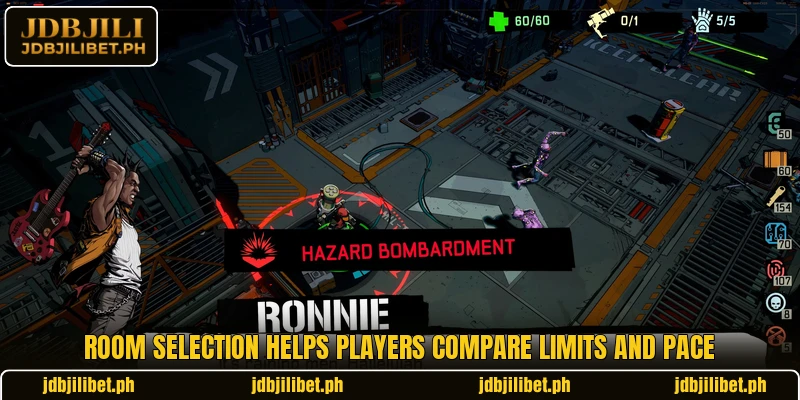
Room selection changes the feel of each session, because limits and speed are not always equal. Players should review the screen layout before entering, especially when switching between PHP and USD views.
Rocket Runner Protocol room signals
Room signals include countdown length, stake range, displayed history, and cashout button response. These details shape how fast a player must read each round. Members should spend a few moments watching the room before placing any amount.
A clean screen helps players find important areas without searching during action. Fast rooms punish confusion because the launch and exit windows can close quickly. Simple preparation can reduce wrong taps and missed confirmations.
Players should also compare room limits with their intended stake range. A PHP 50 entry feels different from a USD 10 entry during quick play. Matching the amount to the room keeps the session easier to read.
Picking a suitable room
Rocket Runner Protocol rooms may feel different even when the core rules stay similar. Some rooms move faster, while others give players more time to watch the climb. Members should pick the pace that makes the cashout button easy to follow.
Room choice also depends on minimum and maximum stake limits. A room with high limits may not suit players testing small PHP entries. A lower room can make practice smoother without forcing large amounts.
Players can enter a room, observe several rounds, and leave before staking. That habit gives a view of timing without using money immediately. It also helps members notice whether the display feels comfortable.
Using notes after sessions
Short notes can record stake size, exit point, and room speed after play. These notes should stay simple because long records become hard to use. Players can review them before returning to similar rooms later.
Useful notes focus on actions, not on claims about guaranteed outcomes. A line such as early exit felt clearer is enough for later reference. Members should remove confusing notes that do not help future choices.
After several sessions, notes can show which rooms felt easiest to read. This practical record supports cleaner decisions without relying on vague memory. Players who review notes may enter the next room with better preparation.
View more Category: Arcade
Conclusion
Rocket Runner Protocol gives players a short, clear betting format built around timing, cashout choice, and room reading. The game feels easier when members check limits, watch pace, and use JDBJILI rooms with care. Register, download the app, choose a suitable game room, and may every run bring good luck.